The Role of a Private Investigator in Collecting Investigative Evidence
In many personal, legal, and business matters, uncertainty often arises when reliable information is difficult to obtain. Situations involving relationship concerns, employee misconduct, financial disputes, or missing individuals can leave clients with unanswered questions. In these circumstances, assumptions and speculation can easily replace facts, creating confusion and unnecessary conflict.
A private investigator is engaged to replace uncertainty with verified information. The primary responsibility of a professional investigator is to collect factual evidence through discreet observation, systematic research, and accurate documentation. Rather than relying on rumor or personal interpretation, investigative work focuses strictly on observable behavior and verifiable data.
Evidence collection frequently begins with surveillance operations. Surveillance is a controlled investigative process in which a subject’s movements, meetings, and public activities are monitored without interference. These operations require patience, situational awareness, and the ability to remain unnoticed while maintaining clear observation.
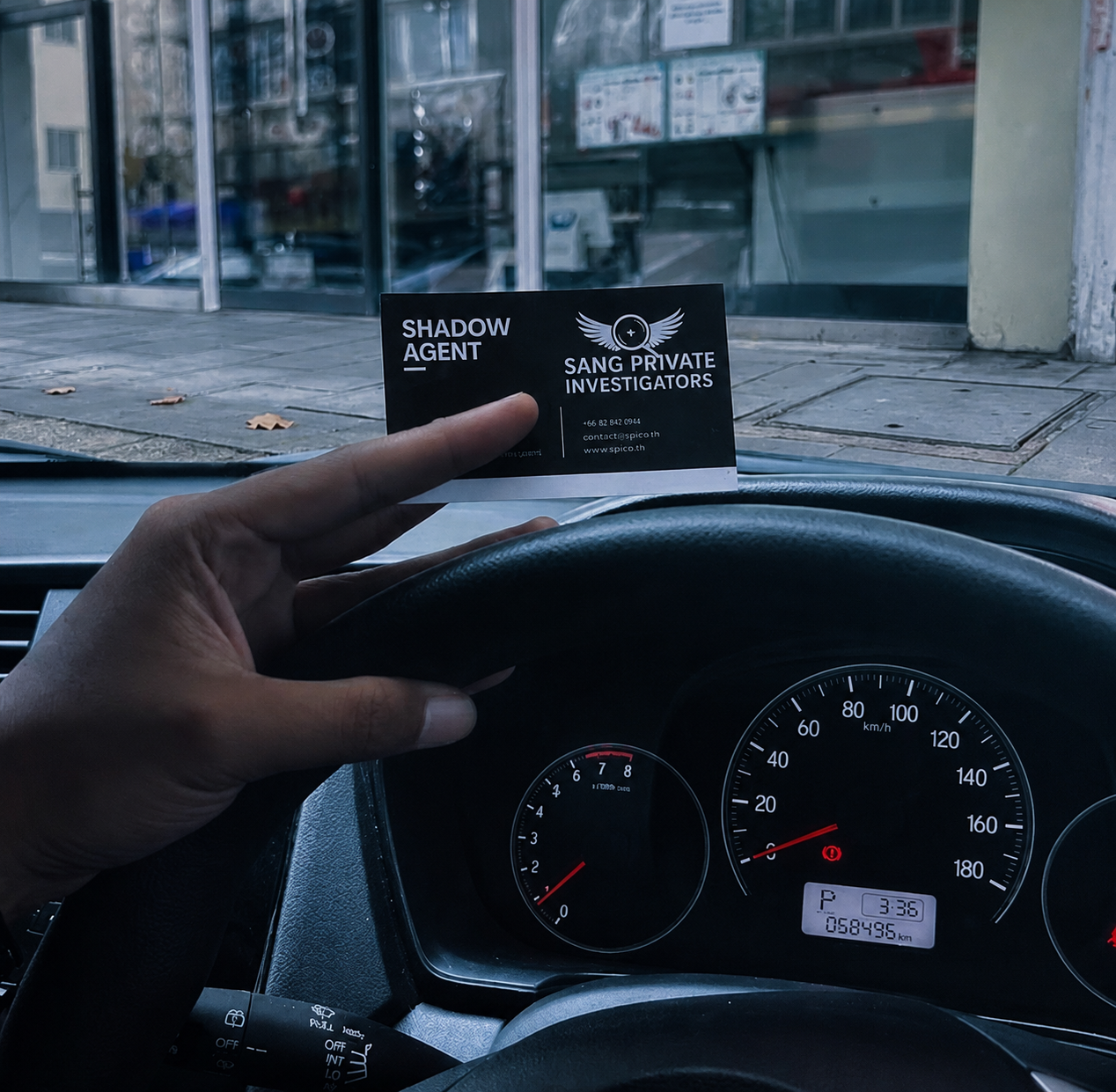
Investigators often conduct surveillance from vehicles, nearby public areas, or strategic vantage points that allow continuous monitoring of a subject’s activity. Movements between locations, interactions with other individuals, and patterns of behavior are carefully recorded. Where legally permissible, visual documentation such as photographs or video recordings may be collected to support the factual record of events.
In addition to field surveillance, investigators perform information gathering and background verification. This process may include identifying relevant connections, confirming locations, reviewing publicly available records, and verifying details that are important to the investigation. Each piece of information contributes to building a clearer and more accurate understanding of the situation being investigated.
Professional investigators also place strong emphasis on documentation. Evidence must be recorded in a structured and organized manner to maintain its reliability. Surveillance logs, time records, photographs, and written reports are compiled into comprehensive investigation files. These reports present factual observations in chronological order, ensuring that the information can be clearly understood and, when necessary, used in legal or professional contexts.
Confidentiality remains a fundamental principle throughout the entire investigative process. Clients often share sensitive personal or business concerns, and all information provided is handled with strict discretion. Professional investigators operate within legal boundaries and ethical standards, ensuring that evidence is obtained responsibly and without violating privacy laws.
The purpose of investigative evidence is not to create judgment or accusation, but to establish clarity. Verified information allows clients to understand the reality of a situation without relying on speculation. Whether the findings confirm concerns or provide reassurance, documented evidence enables informed decision-making based on facts rather than emotion.
In complex situations where transparency is limited and questions remain unanswered, the role of a private investigator becomes essential. Through careful observation, professional surveillance, and structured reporting, investigators provide clients with accurate information that brings clarity, control, and confidence in determining the next course of action.